
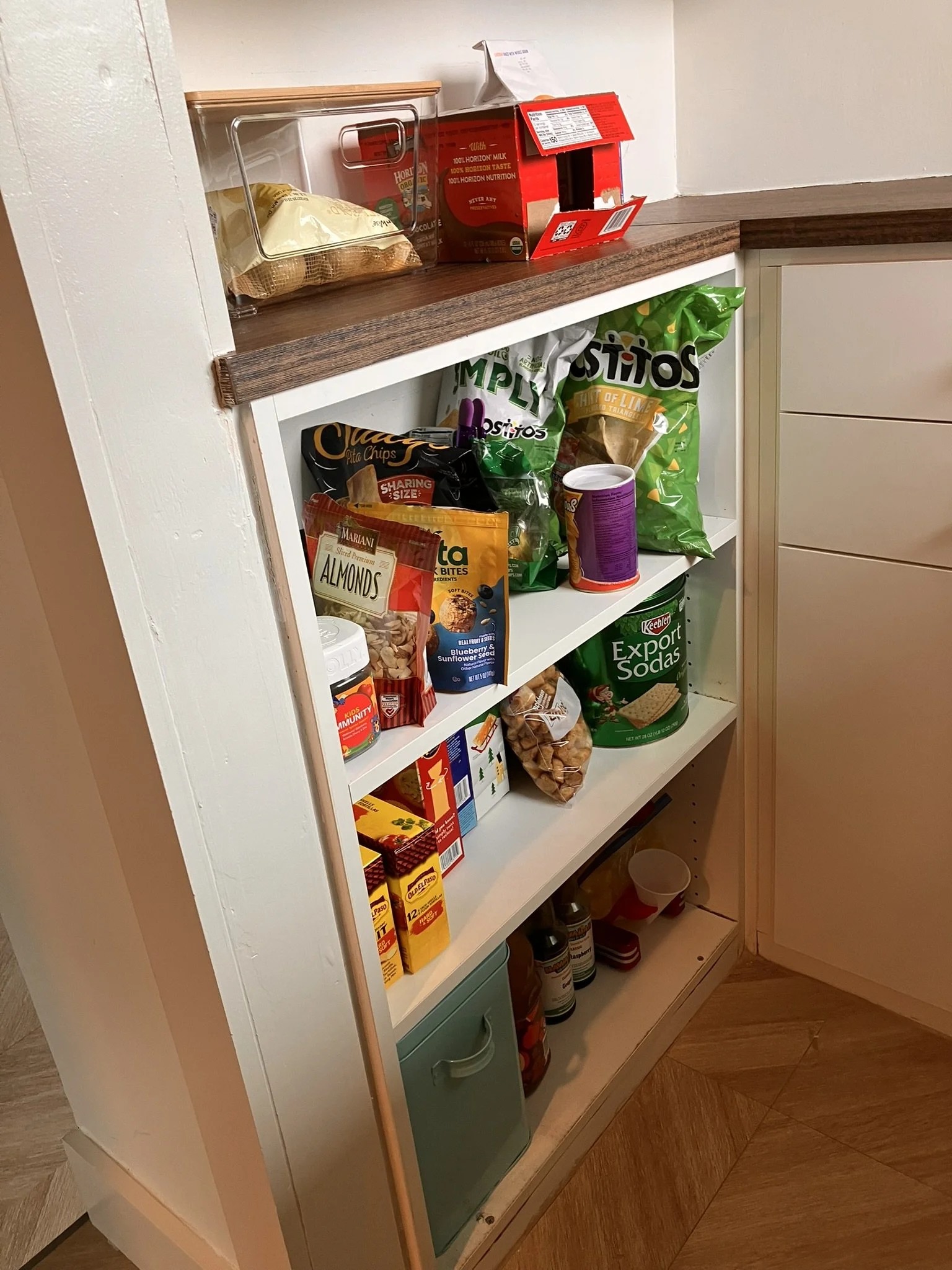
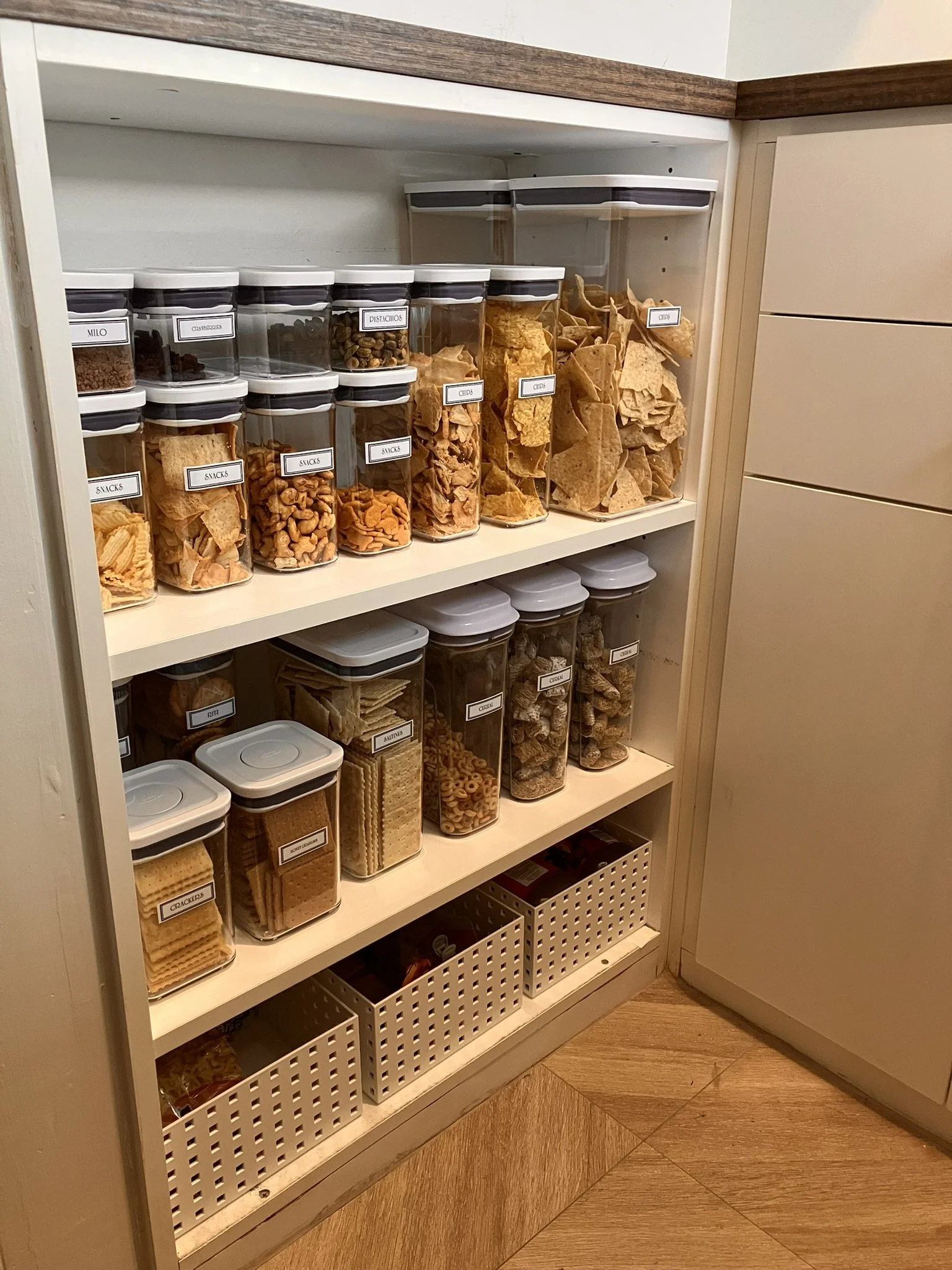
Strategic containers and simple labels can completely change the way a pantry functions.
For this pantry, clear containers help preserve food, reduce visual clutter, and make everyday items easier to see, access, and put back. The lower baskets create a streamlined home for items that don’t need to be decanted, keeping everything contained without overcomplicating the system.
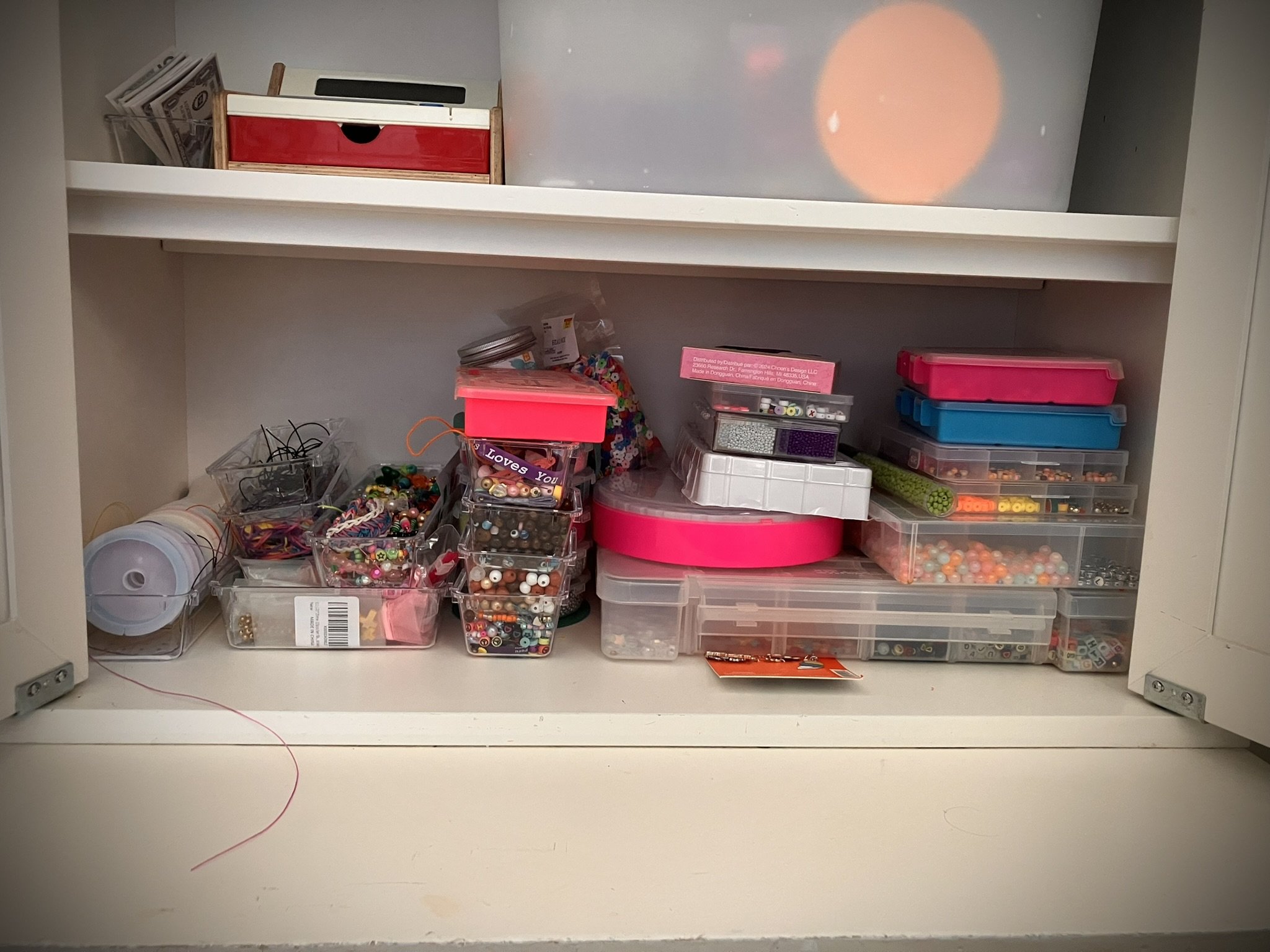
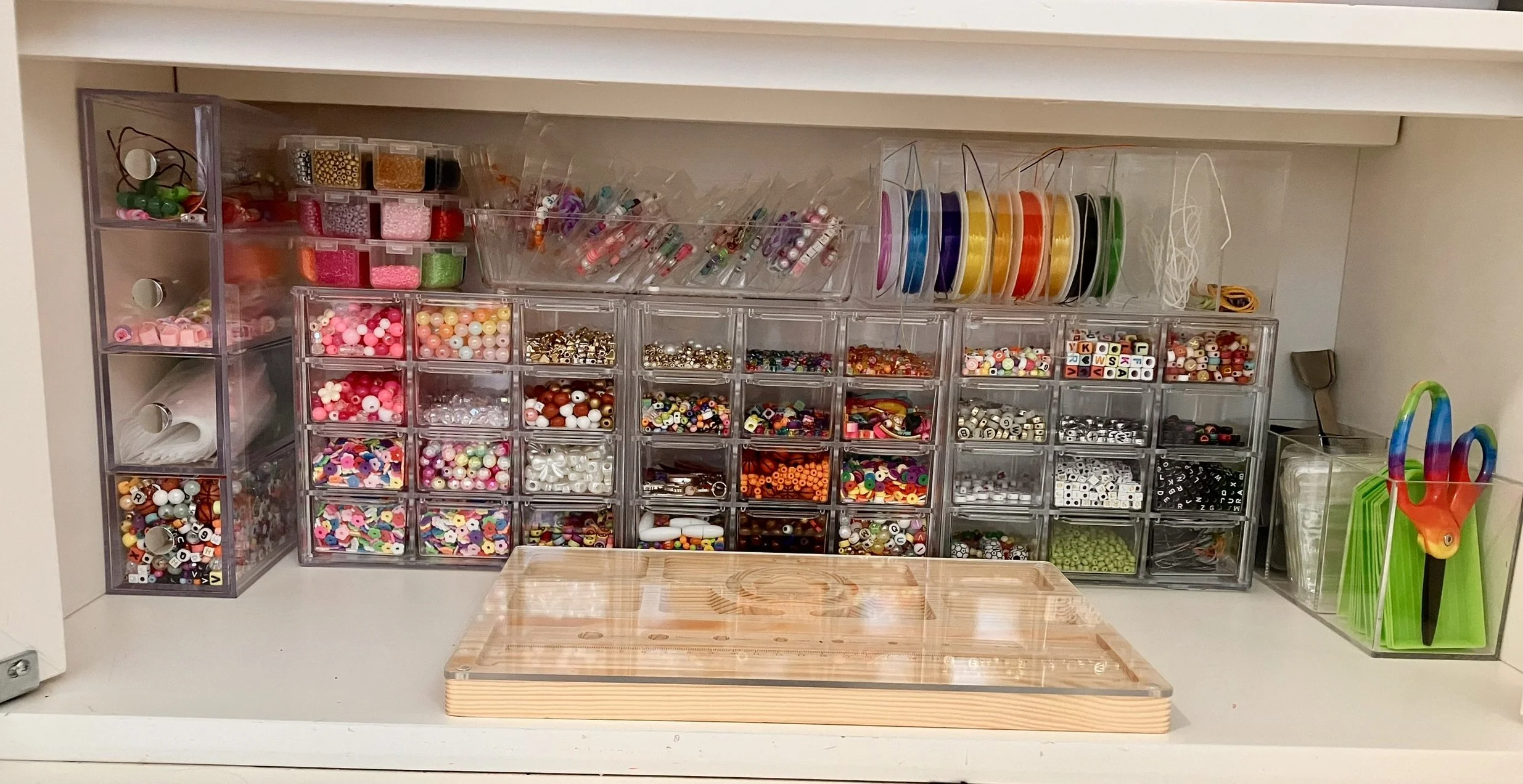
A small space can still hold a beautifully functional system.
For this bead organization project, I designed the setup, provided the product list, and organized the beads alongside the young girl who would be using it.
Beads were sorted, tools were made easy to access, and everything fit neatly onto one shelf inside a closed-door bookcase. It’s organized, contained, easy to use, and can be closed away when she’s done creating.
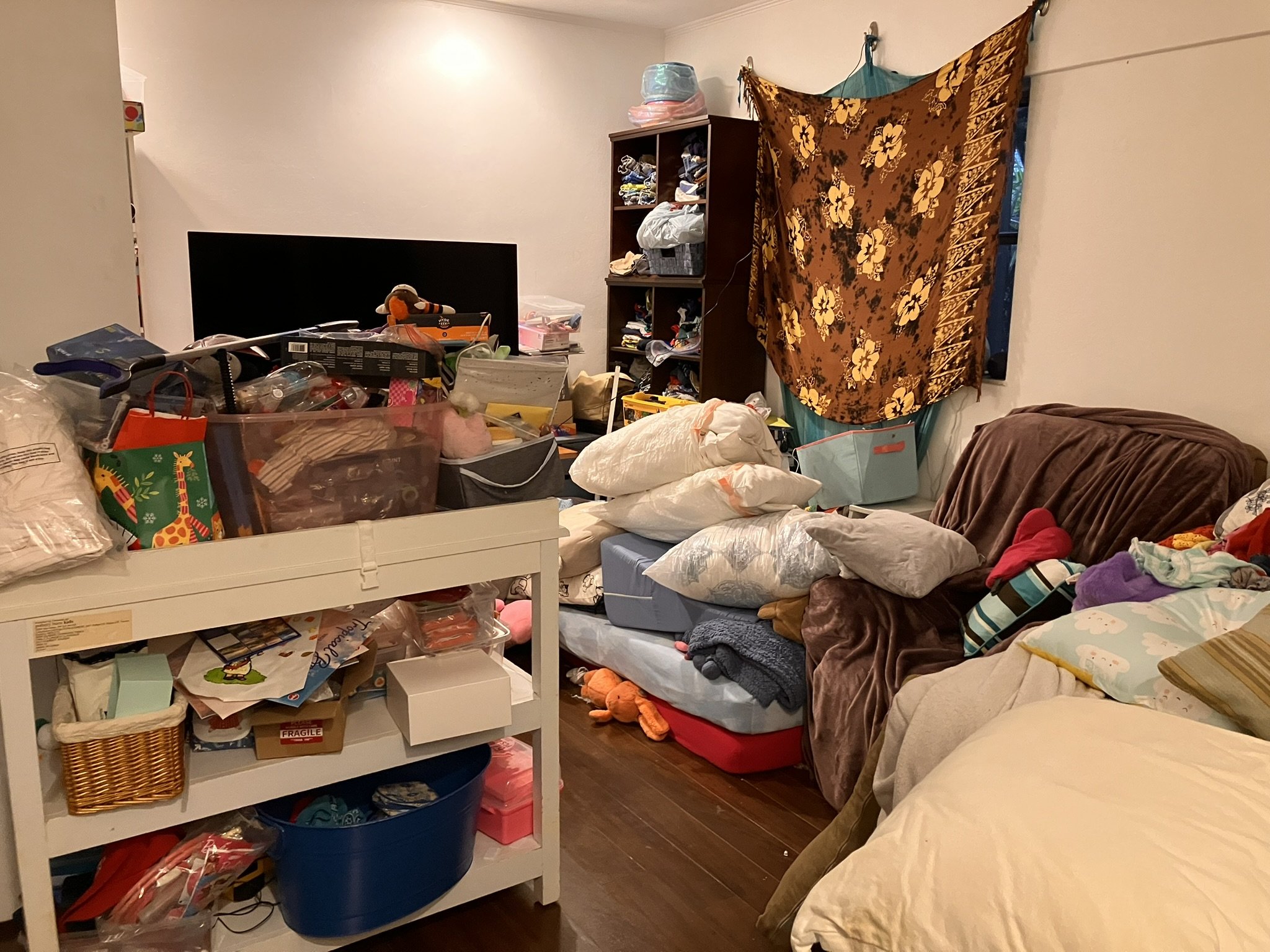
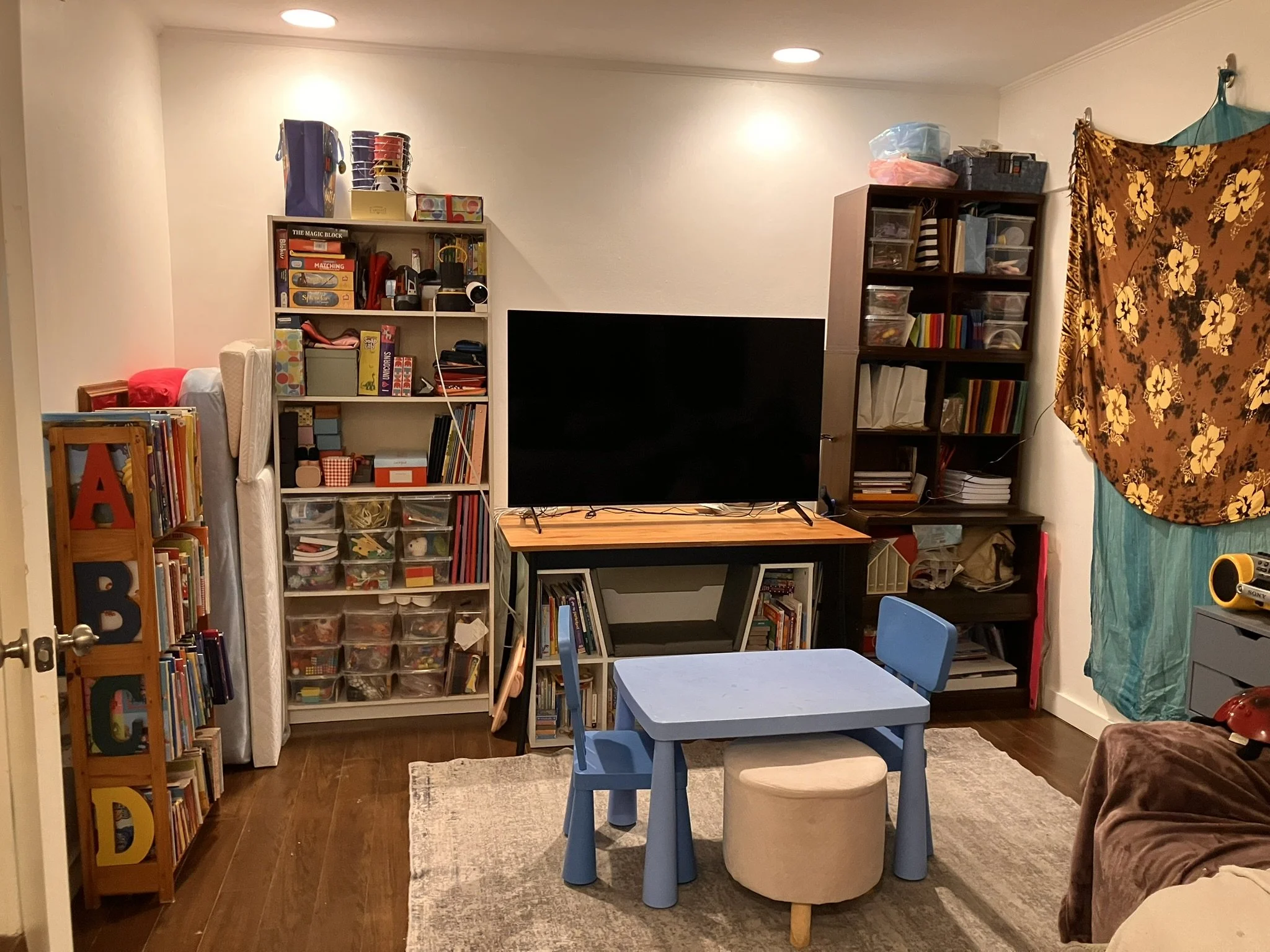
Sometimes a room becomes a catch-all simply because it doesn’t have a clear purpose yet.
When a space is undefined, it can quickly start holding everything that doesn’t have a home. For this project, the goal wasn’t perfection; it was progress. We worked on defining the purpose of the room, creating clearer zones, and making the space easier to move through and use.
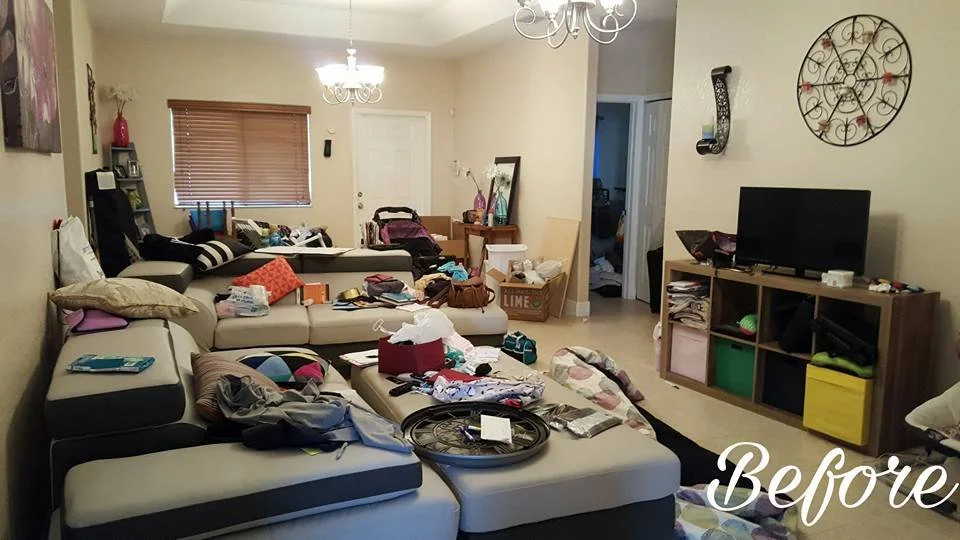
Before & After
This space is a great example of how more storage isn’t always the solution. The client already had great furniture pieces—but the layout wasn’t supporting their goal of a peaceful living room or making good use of the entryway.
By separating the TV (which is only used occasionally for video games) and shifting the sofa to the opposite side of the room, we were able to define clear zones and let the space breathe. Now it feels calm, open, and truly functional—not just tidy, but working for the way they live.
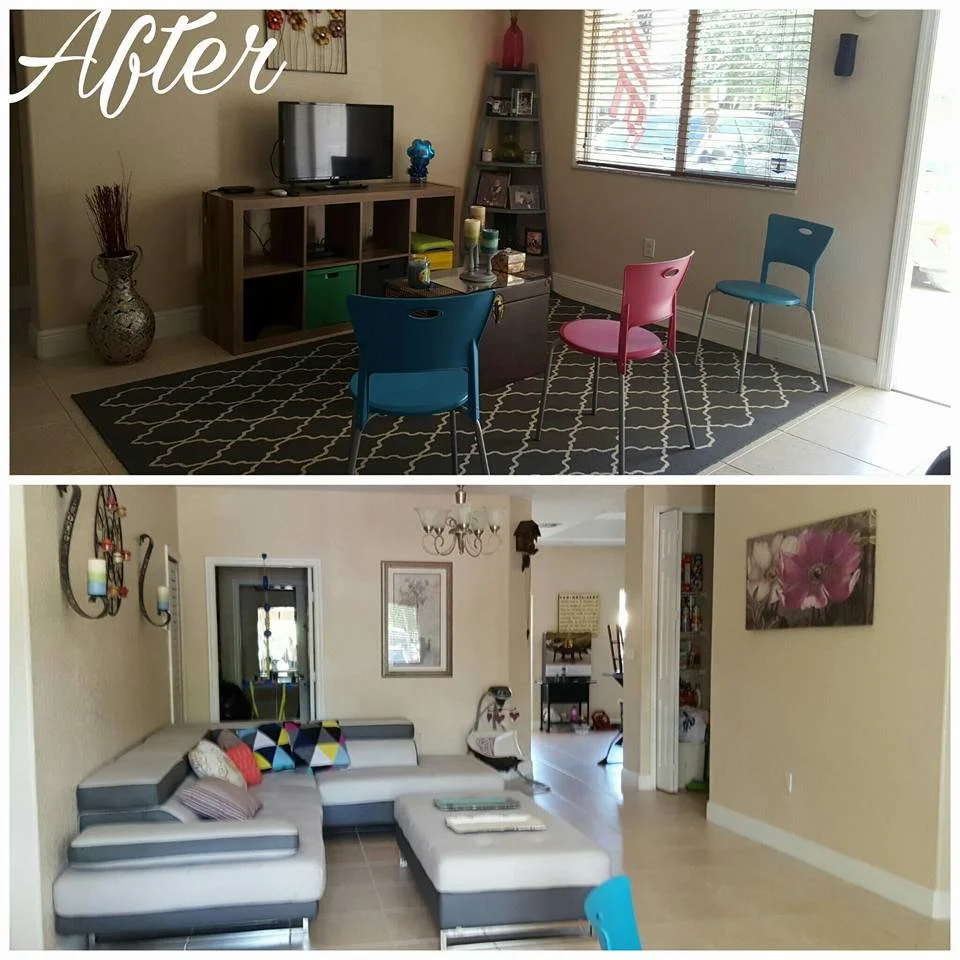
Before & After
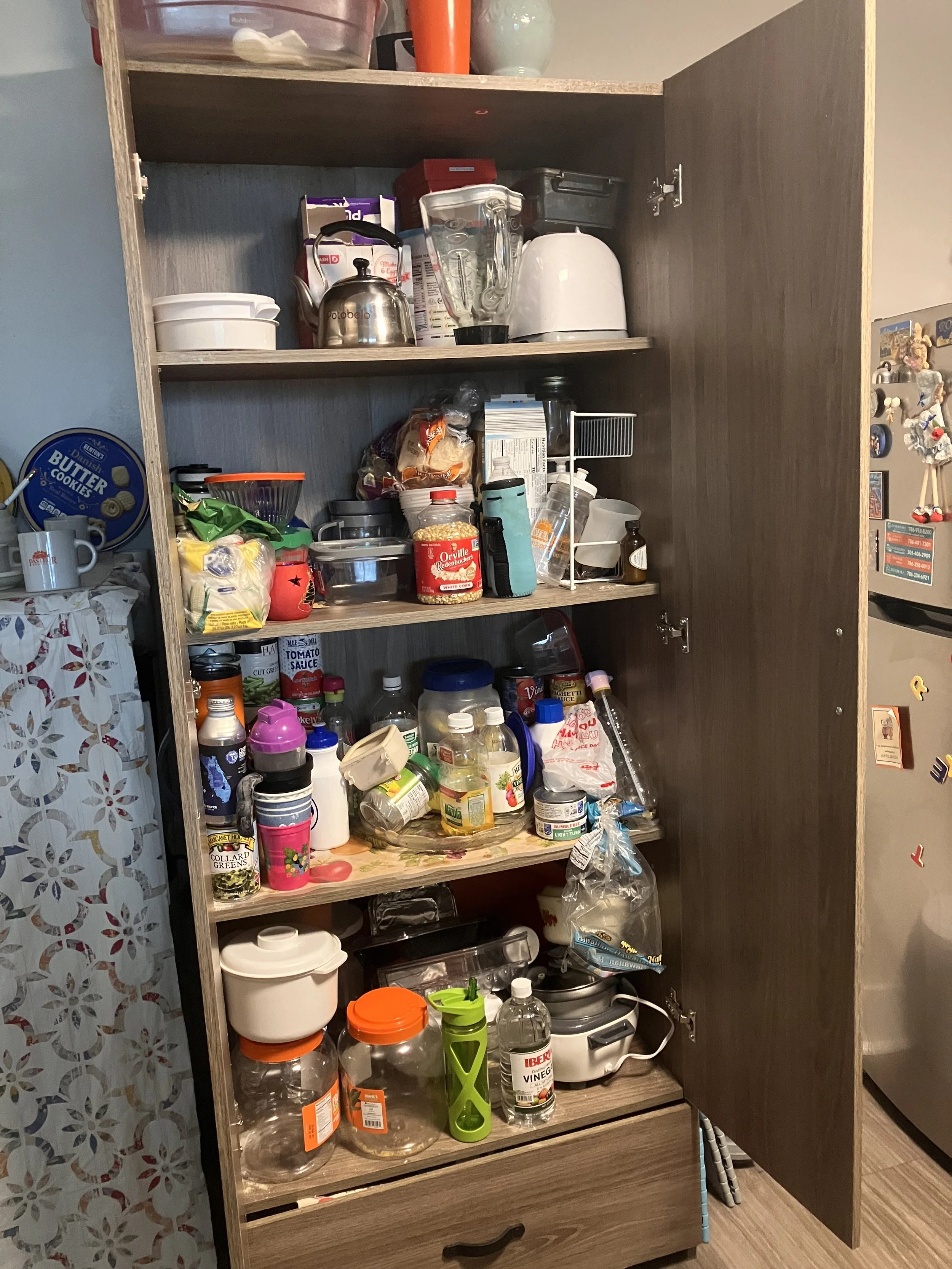
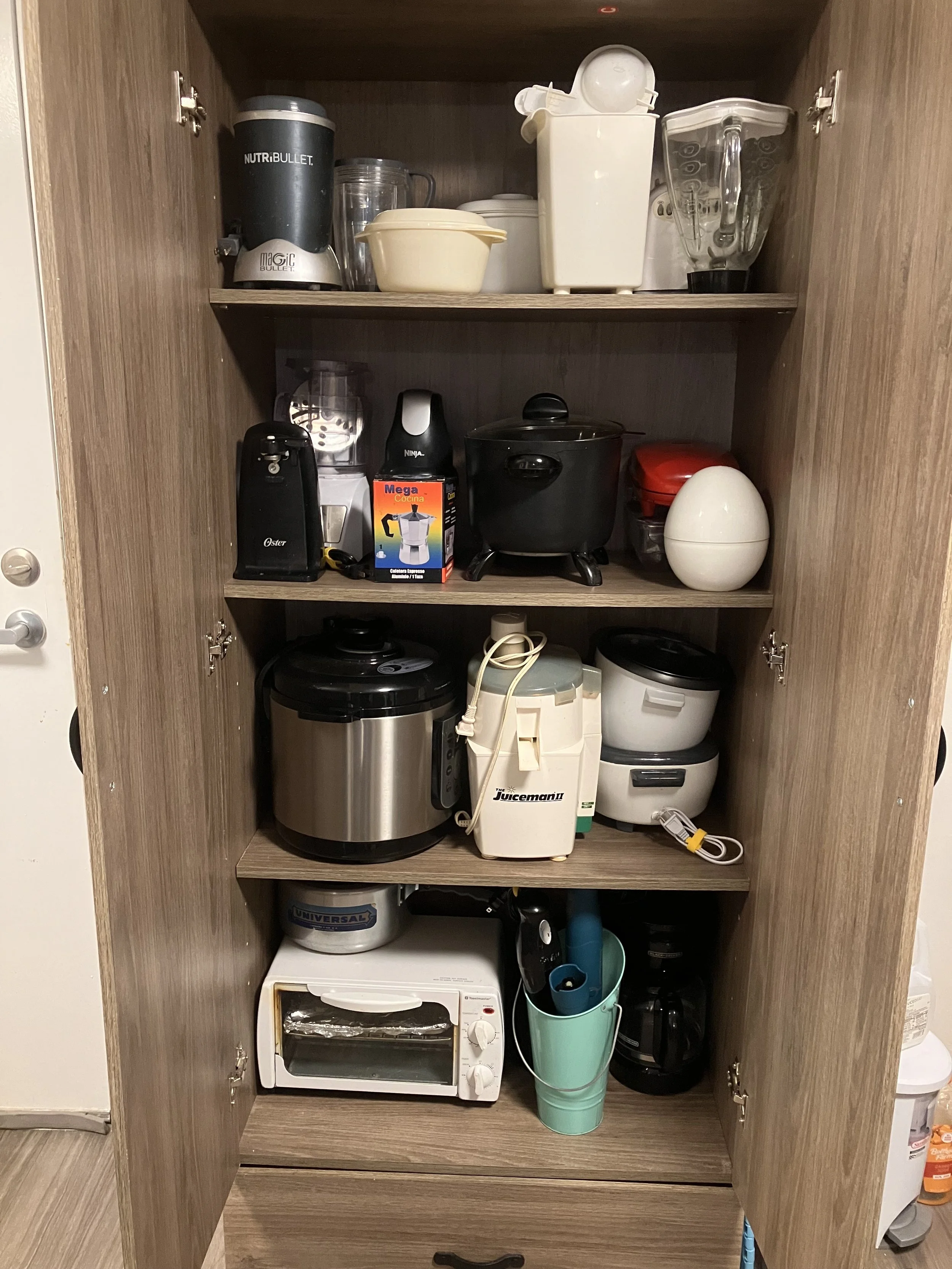
This closet may not look dramatically different, but the changes have made a real difference for the client. She wasn’t ready to part with much—which is completely understandable. The goal wasn’t about getting rid of things, but about making daily tasks easier.
As an older adult, bending down to reach appliances in lower cabinets was becoming difficult. By relocating those items to this more accessible closet, she can now use them with less strain. We also moved food storage into a nearby space that wasn’t being used well, so both areas serve her better.
Sometimes organizing isn’t about starting over—it’s about making what you already have work better for how you live now.
Before & After
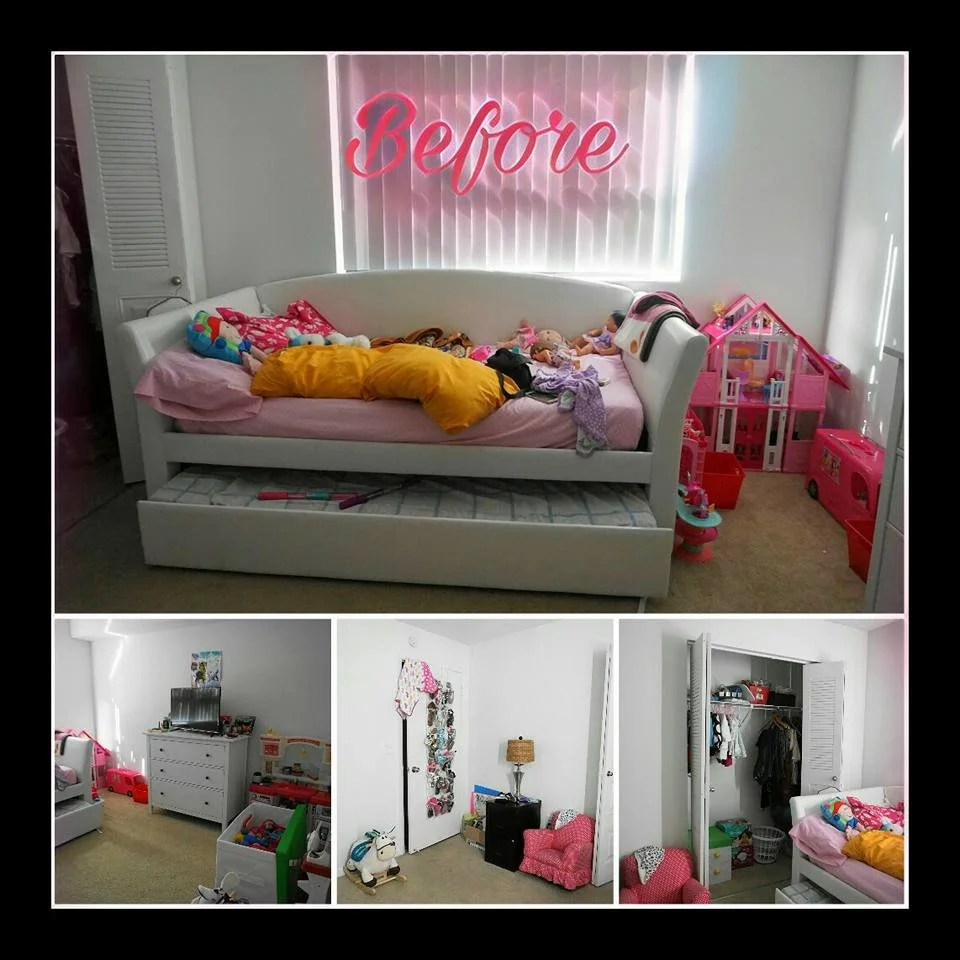
This transformation wasn’t about decluttering but about problem-solving. They had great storage but used it poorly, and the room’s layout was making things harder than they needed to be. Through thoughtful observation, creative planning, and technical know-how, we addressed the real issues—reshuffling the daybed, repurposing bins, and folding into existing dividers—to create a space that’s functional and easy to maintain, all without buying more organization products.

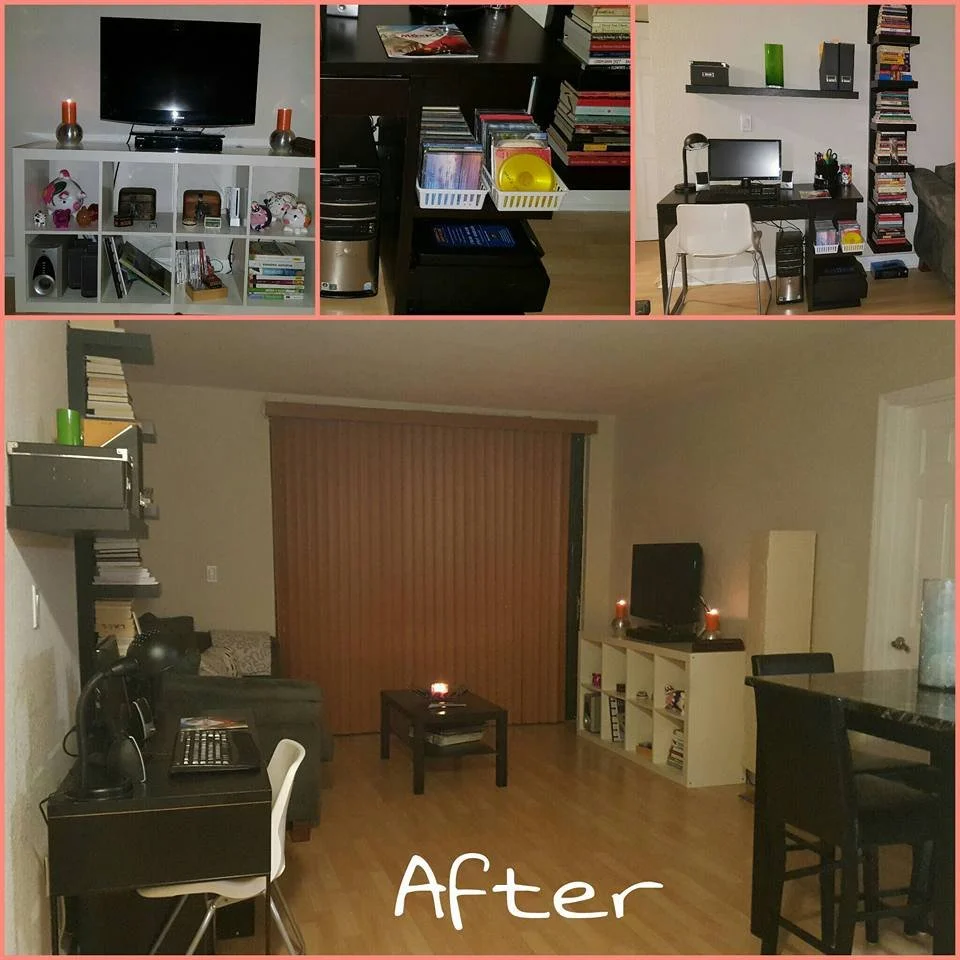
Before and After
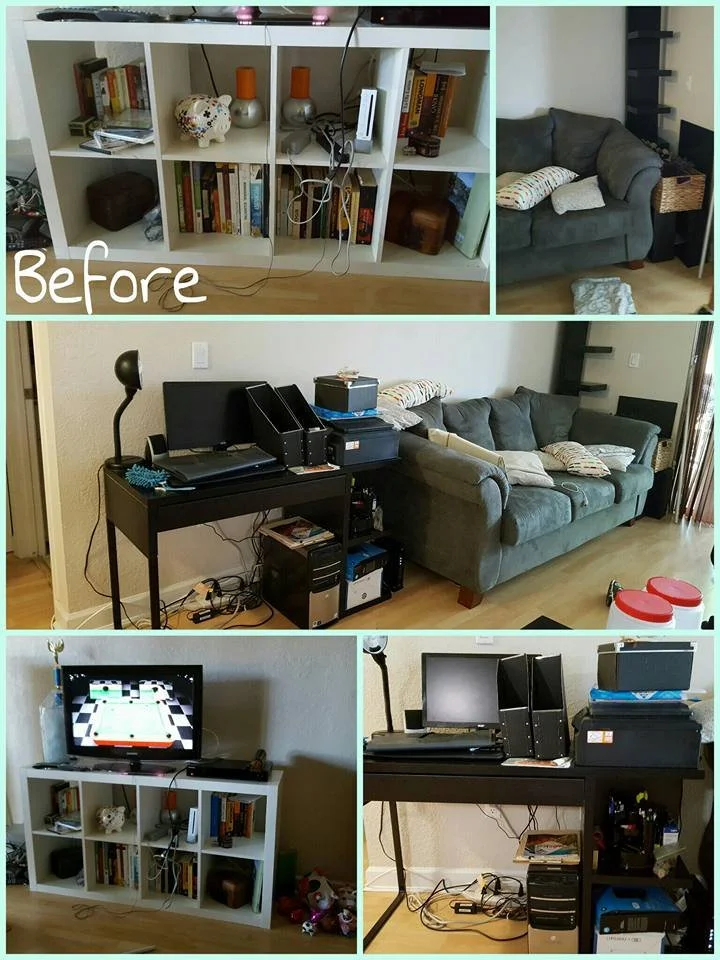
In this cozy apartment, moving the furniture wasn’t an option. By clearing the desk clutter near the entrance and adding vertical storage for books and files, the surface is now open for daily use. Paperwork is neatly filed in closed boxes, making this living room/office space flow seamlessly.
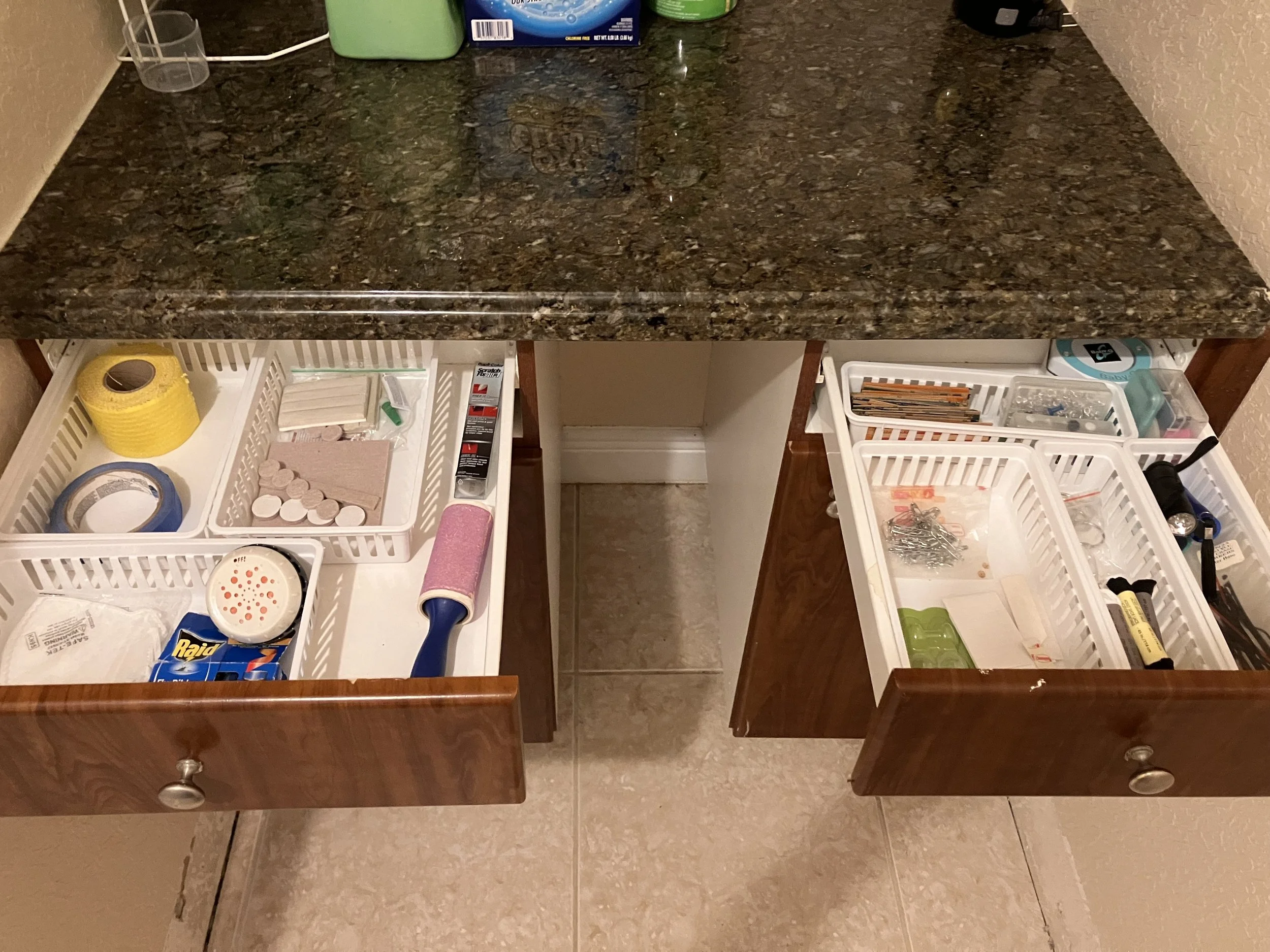
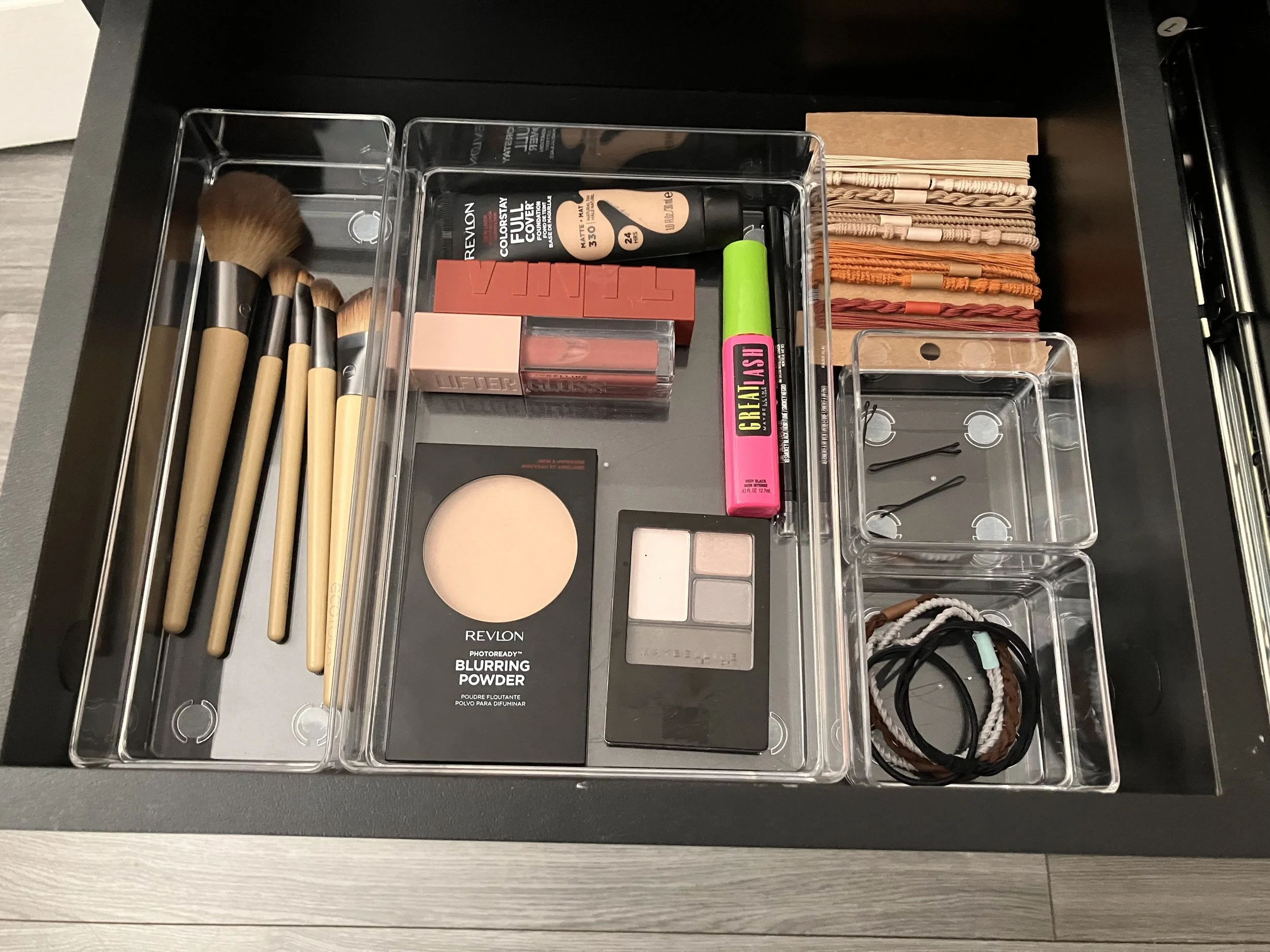
Organization can look different while still serving the same purpose. Whether you choose acrylic bins, plastic containers, woven baskets, or drawer dividers, the focus remains on clear categories and effortless access, creating a space that’s simple to use, pleasant to look at, and easy to maintain.
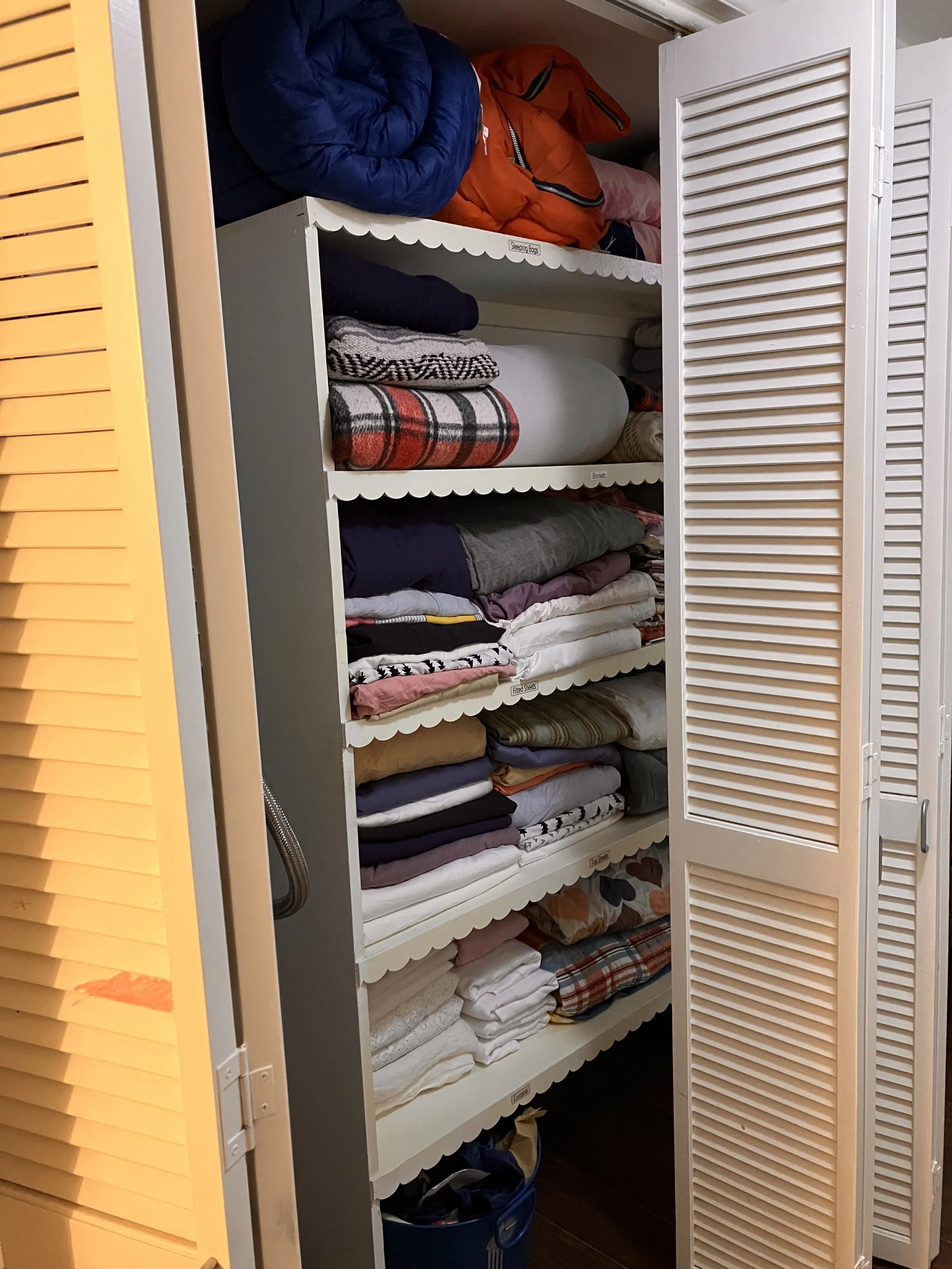
Consistency makes a big difference in linen storage. The specific folding method matters less than folding everything the same way. When towels and linens are uniform, they’re easier to see, grab, and return without disrupting the system.
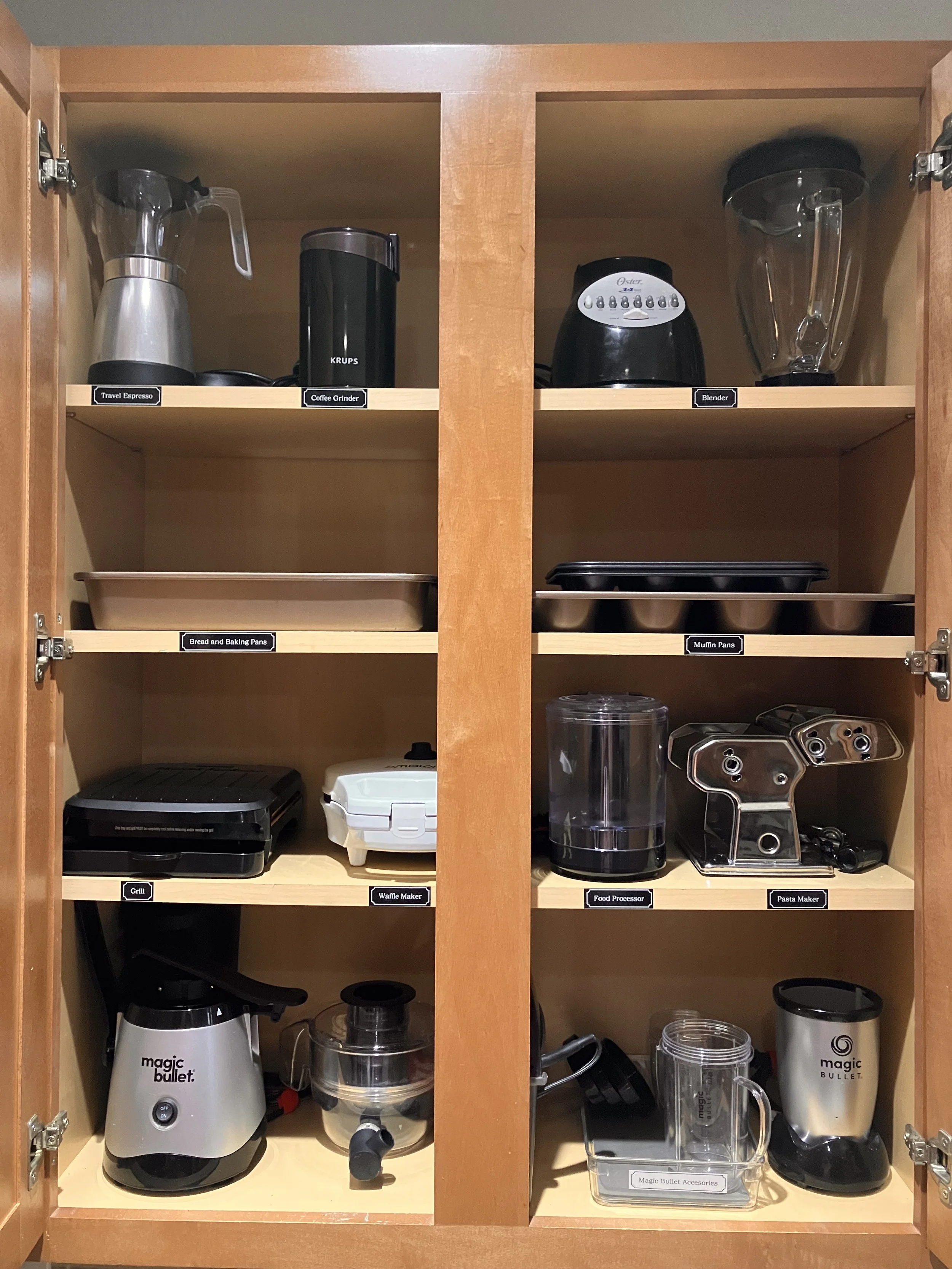
Clear zones and labels act as visual cues, helping everyone in the home understand where items belong. In many households, cabinets are organized once, but over time things get placed back slightly differently by different people. When that happens, items stop fitting neatly and become harder to find.
Designated, labeled spaces reduce that guesswork, keeping the cabinet functional whether it’s used by family members, guests, or hired help.
Using a tray for small items or accessories will also help keep things easy to find and tidy.
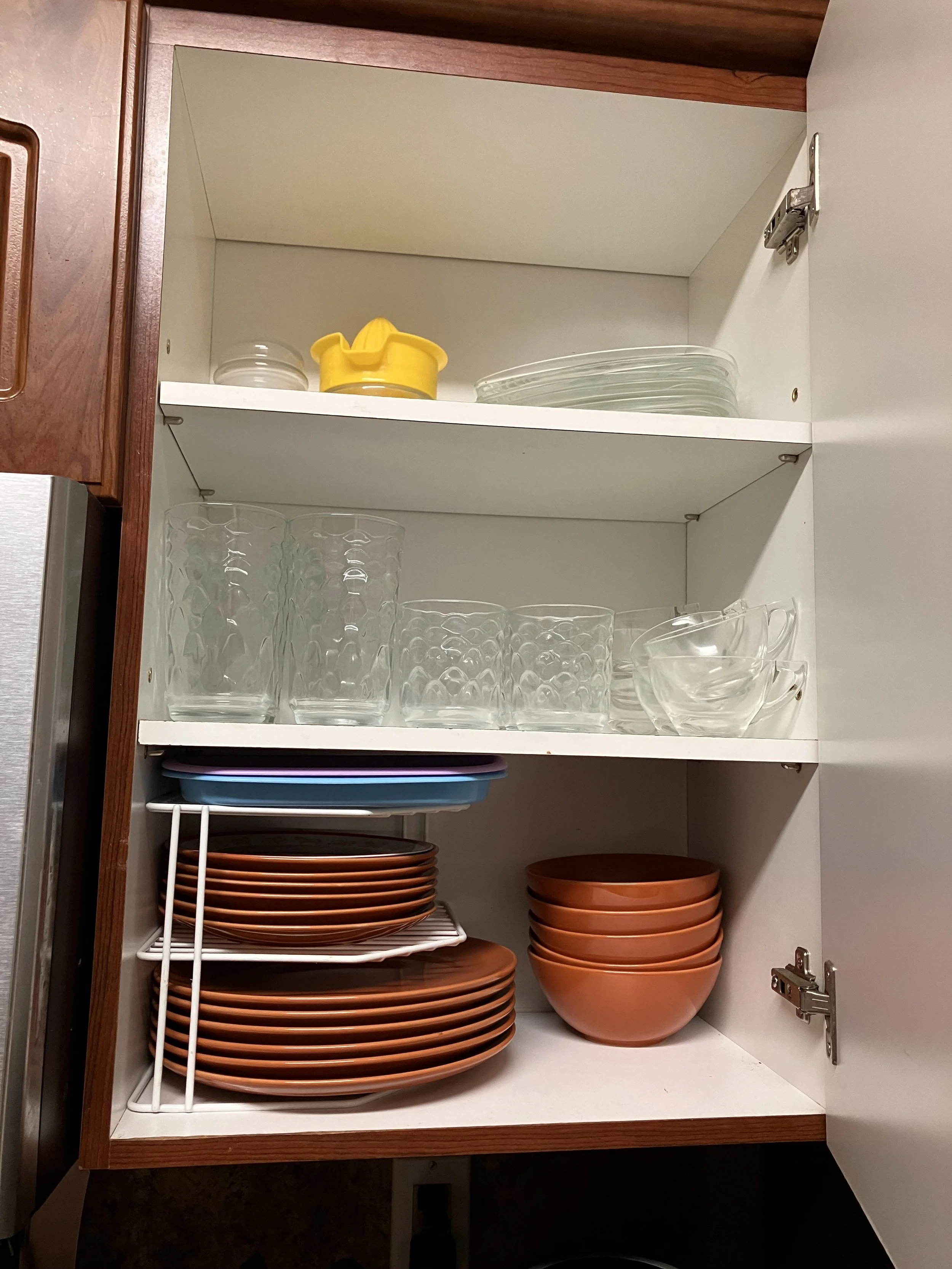
Using vertical space makes a noticeable difference in smaller cabinets. A plate organizer allows plates to be stored upright, which creates room without overcrowding and keeps everything easy to reach.